
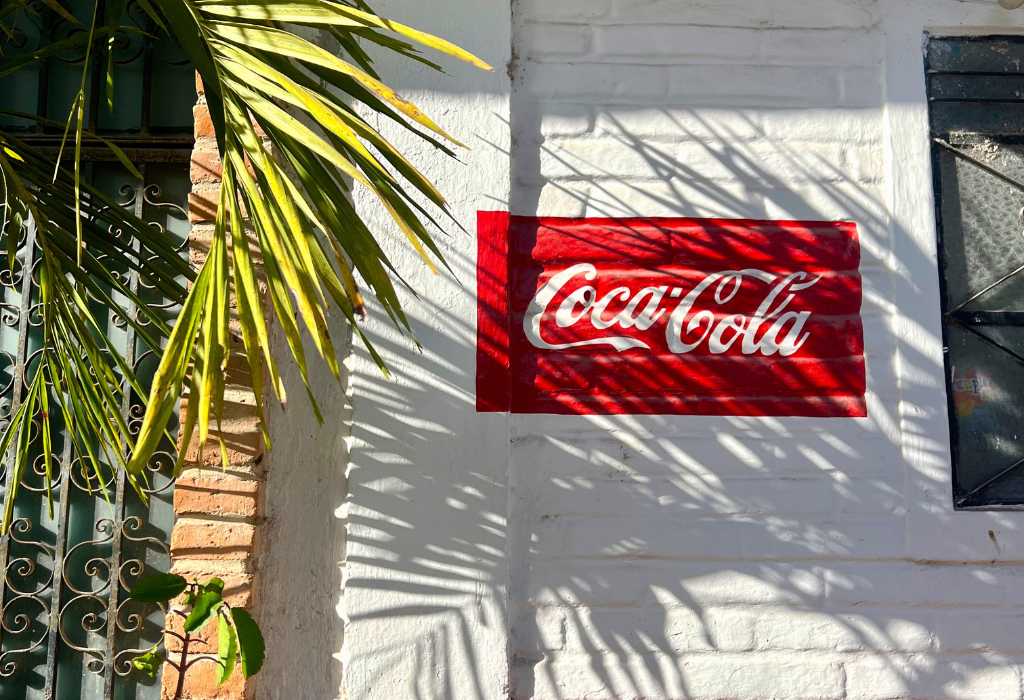
Why familiar brands win (and what that means for your business)
Here’s something I see all the time with small business owners.
They spend weeks agonising over their logo. They obsess over their website copy. They post on Instagram every single day. And then they wonder why enquiries are still slow.
Meanwhile, a competitor down the road, offering a pretty similar service, honestly – seems to get more calls without even trying that hard.
What are they doing differently?
Often, it’s not what you think. It’s not that they’re better. It’s not that they spend more on ads. It’s something much simpler, and once you understand it, you can’t unsee it.
They feel familiar.
Why your brain takes shortcuts (and your customers' brains do too)
We like to think buying decisions are rational. Compare the options, weigh up the reviews, pick the best value.
But honestly? That’s not how most of us actually make decisions – especially for services.
Think about the last time you tried a new café. Did you carefully research every option in the area, read every Google review and construct a spreadsheet?
Probably not.
You probably walked into the one you’d walked past a dozen times before. The one that just felt… fine. Familiar. Safe.
That’s not laziness. That’s your brain being efficient.
There’s a well-documented psychological phenomenon called the mere-exposure effect – and the short version is this: the more we see something, the more we trust it. Not because we’ve consciously evaluated it. Just because it feels known.
Your potential clients are doing this constantly. They’re not studying your website. They’re scanning for signals that answer one question: Can I trust these people?
Familiarity is one of the fastest ways to say yes.
The awkward truth about inconsistency
Here’s where it gets uncomfortable.
Most small businesses are accidentally making themselves forgettable.
Not because they’re not working hard. Not because their service isn’t excellent. But because every time someone sees them, it looks slightly different.
Different fonts this week. Different colours next month. The website feels nothing like the Instagram. The tone of voice shifts from “friendly and chatty” to “formal and corporate” depending on who wrote the post that day.
I get it, it comes from a good place. You’re trying to keep things fresh. You see a trending design style and think ooh, that looks smart. You rebrand every 18 months because you’ve “grown out of” the old look.
But here’s the problem: your customers never get a chance to recognise you.
And if they can’t recognise you, they can’t remember you. And if they can’t remember you, you’re not in the running when they finally decide they need what you offer.
Being memorable beats being impressive
This is the bit that surprises most business owners when they first hear it.
The goal isn’t to dazzle people every time they see you. The goal is to be instantly recognisable every time they see you.
Those are very different things.
Think about the brands you remember, not just big global ones, but local businesses you trust. The accountant you’d recommend without thinking. The florist you’d book without checking anyone else. The designer whose name just comes to mind.
I’d bet they’ve been showing up consistently for a while. Same colours, same feel, same kind of messaging. Nothing revolutionary. Just… reliably, recognisably them.
That repetition is doing something powerful. It’s building a mental shortcut in your customers’ minds.
So when the moment comes, when someone finally needs a [whatever you do] – your name floats to the top. Not necessarily because you’re objectively the best option. But because you’re the one they remember.
That is a massive competitive advantage.
What "consistent branding" actually looks like in practice
I want to be really clear here, because “work on your branding” can feel like an overwhelming, expensive rabbit hole.
It doesn’t have to be.
For most small businesses, consistency means a handful of practical things:
Use the same profile photo everywhere. LinkedIn, Instagram, your website, Google Business – same photo. Sounds trivial. It’s not.
Pick two or three fonts and stick to them. Stop choosing a new one every time you make a graphic.
Stop redesigning every social post. Use a template. Same layout, same colours, recognisable at a glance. Boring? Maybe. Effective? Very.
Make your website and socials feel like the same business. You’d be amazed how many companies accidentally look like two completely different brands online.
Repeat your key messages. Not just once. Not just twice. Again and again, in slightly different ways. Customers need multiple exposures before something sticks.
None of this requires a big agency or a huge budget. It requires discipline and a bit of structure.
The thing about rebranding nobody tells you
If you’re thinking about a rebrand – or you’ve recently done one, this part matters.
Most businesses approach a rebrand as burning it all down and starting fresh. New colours, new fonts, new name sometimes, new everything.
And then they wonder why it doesn’t instantly feel better.
Here’s the thing: the best rebrands don’t erase recognition, they refine it.
If customers already associate certain visual cues with your business, throwing all of that away breaks the familiarity you’ve spent years building. A good rebrand figures out what’s already working and makes it more cohesive, more intentional, more “you” – without wiping the slate completely clean.
Before spending money on a rebrand, it’s worth asking honestly:
- What do customers already recognise about us?
- Where does our branding feel inconsistent or out of date?
- Does our current look reflect the quality of what we actually deliver?
- Are we memorable, or could someone scroll past us without registering who we are?
These are more useful questions than “do we need a new logo?”
The slow, quiet power of showing up consistently
Here’s the final thing, and it’s probably the most important.
Most customers don’t enquire the moment they discover you.
They might see your LinkedIn posts for three months before reaching out. They might visit your website twice before they’re ready. They might hear your name mentioned and file it away, then remember it six weeks later when they actually need you.
During all that time, your branding is either building trust or quietly eroding it.
Every consistent touchpoint adds a small deposit. Every inconsistent one creates a small doubt.
Over time, those deposits compound. Gradually, without any single dramatic moment, you shift from “a business someone vaguely knows about” to “the obvious choice.”
That’s what strong branding actually does.
It’s not about looking pretty. It’s not about following trends. It’s about becoming the business that feels easiest to trust – before you’ve even had a conversation.
And in a world where attention is scarce and competition is everywhere, that quiet familiarity is worth more than almost anything else you can invest in.
If your business feels inconsistent, forgettable or disconnected across platforms, it may not be a marketing problem – it could be a branding problem.
A strategic rebrand is not about changing things for the sake of it. It’s about creating clarity, consistency and recognition so your business feels more trustworthy every time someone encounters it.
At Mint Sauce Media, we help businesses build brands that feel cohesive, memorable and genuinely reflective of who they are, from visual identity and messaging through to websites and day-to-day brand consistency.
Because the businesses people remember are usually the ones that feel the most recognisable.